
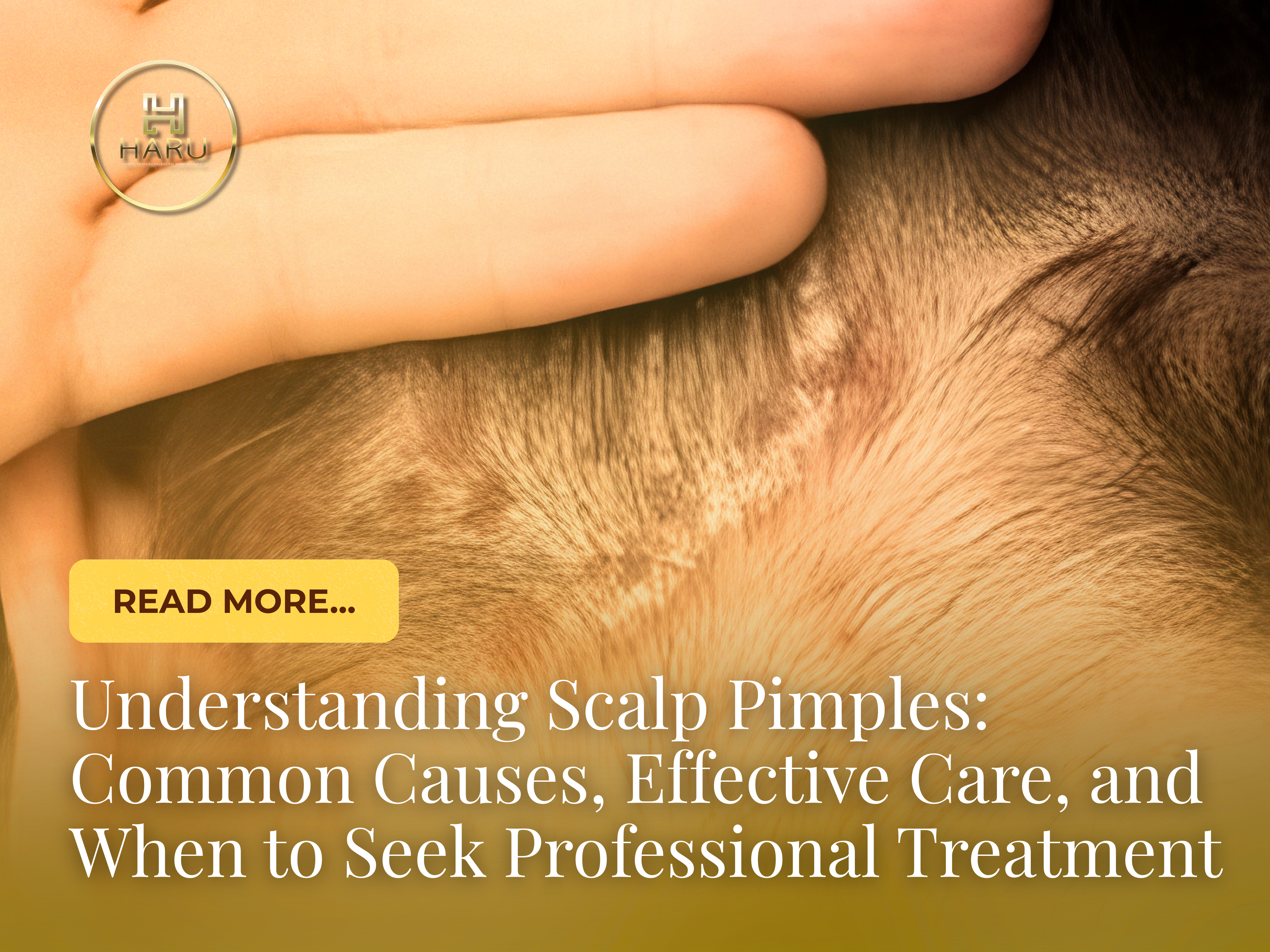

Finding a pimple on your scalp can be uncomfortable, especially if it’s painful, itchy, or keeps coming back. While many scalp bumps are harmless and resolve with proper care, others may signal inflammation, infection, or an underlying scalp condition that deserves closer attention.
Understanding what causes scalp pimples and how to manage them can help you keep your scalp healthy and prevent future flare-ups. More importantly, knowing when to seek professional care can make a significant difference in your scalp and hair health.
Discover causes and solutions for scalp pimples. Learn how to manage discomfort and when to seek professional care for a healthy scalp.
Why Do Scalp Pimples Happen?
Scalp pimples develop when hair follicles become inflamed or clogged. Similar to facial acne, the scalp contains oil glands that produce sebum to protect the skin. When excess oil, sweat, dead skin cells, or product buildup block these follicles, inflammation can occur, resulting in bumps or pimples.
In some cases, bacteria or yeast can contribute to follicle irritation, leading to a condition known as folliculitis.
What Could Be Causing the Bumps on Your Scalp?
Several factors may contribute to scalp pimples, including:
- Folliculitis – Inflammation or infection of the hair follicles caused by bacteria or yeast.
- Excess oil and sweat – An oily scalp and frequent sweating can create an environment where follicles become blocked.
- Heavy hair products – Pomades, oils, waxes, thick conditioners, and dry shampoos may clog hair follicles if not thoroughly removed.
- Friction – Tight hats, helmets, or hairstyles that constantly rub against the scalp can irritate the skin.
- Dandruff or Seborrheic Dermatitis – Flaking and inflammation may increase irritation and contribute to itchy scalp bumps.
- Hormonal changes – Although less common, hormones can also play a role in scalp acne.
How Can You Tell What Type of Scalp Bump You Have?
Although only a healthcare professional can provide a diagnosis, these general clues may help you better understand what you’re experiencing:
- A small whitehead or red pimple that appeared recently is often associated with mild folliculitis or scalp acne.
- A painful, deeper lump may indicate an inflamed follicle, boil, or scalp cyst.
- Itchy bumps accompanied by dandruff can sometimes be linked to seborrheic dermatitis or yeast-related folliculitis.
- Hair loss around the affected area should be evaluated if it persists.
- Recurring painful bumps that drain fluid should always be examined by a dermatologist.
Remember that appearance alone isn’t enough to determine the exact cause, especially if symptoms continue or worsen.
What Can You Do at Home?
Many mild scalp pimples improve with consistent scalp care. Helpful practices include:
- Wash your scalp regularly. Use a gentle shampoo, especially after sweating. If dandruff or excessive oil is present, consider shampoos containing ingredients such as ketoconazole, zinc pyrithione, or selenium sulfide.
- Avoid picking or squeezing pimples. This can worsen inflammation, increase the risk of infection, and potentially lead to scarring.
- Review your hair care products. Limit heavy oils, waxes, pomades, and leave-in products that may clog follicles, and rinse products thoroughly after use.
- Apply warm compresses. A warm (not hot) compress for 10–15 minutes several times a day may encourage tender bumps to drain naturally.
- Keep your scalp clean after exercise. Sweat and friction can aggravate folliculitis, so cleansing your scalp after workouts may help reduce irritation.
How Can Professional Scalp Treatments Help?
While home care can help manage mild cases, persistent scalp congestion often benefits from professional scalp therapy, where trained practitioners carefully cleanse away excess oil, product buildup, and debris to support the skin’s natural recovery process. When appropriate, specialized tools like a high-frequency comb may be used to further promote wellness, with all treatment techniques tailored to your scalp’s specific sensitivity and condition to maximize comfort and care.
So our treatment will really help them reset their scalp. Just be careful with silicone scrubber because it can be painful but it’s okay if it naturally pops. Then you can spend more time with high-frequency comb in that area.
The Benefits
A healthy scalp care routine combined with professional treatment may help support:
- A cleaner, healthier scalp environment
- Reduced buildup of oil and product residue
- Improved scalp comfort
- Better overall scalp hygiene
- Healthier conditions for normal hair growth
- Reduced recurrence of clogged follicles when combined with proper home care
What Should You Expect?
Scalp pimples often improve gradually rather than overnight. Consistent scalp hygiene, appropriate hair products, and professional scalp care typically provide the best long-term results.
However, treatment outcomes vary depending on the underlying cause. If bumps continue to recur, become increasingly painful, or are accompanied by significant hair loss, further medical evaluation may be necessary to identify the root cause.
Ready to Give Your Scalp a Fresh Start?
If you’re dealing with recurring scalp pimples, tenderness, or persistent buildup, a professional scalp assessment can help identify contributing factors and recommend a personalized care plan.
Healthy hair begins with a healthy scalp. Whether your concerns stem from excess oil, product buildup, or scalp irritation, professional scalp care can help restore balance and support your long-term scalp wellness.
Book your scalp consultation today and take the first step toward a cleaner, healthier scalp.
Disclaimer: Persistent scalp pain, severe flaking, sudden hair loss, or signs of infection should be evaluated by a dermatologist or medical professional.
Leave a Reply